Gilmore-Bykovskyi Lab
Dedicated to promoting effective and meaningful research and care for those affected by Alzheimer’s disease and related dementias. It is one of just five U.S. teams funded by the National Institute on Aging to lead national research on lucid episodes in dementia. (PI: Andrea Gilmore-Bykovskyi, PhD, RN)
Emergency Care for Infectious Diseases
Endeavors to improve infectious disease diagnosis, infection control, and antibiotic stewardship in the emergency department and downstream care settings. (PI: Michael Pulia, MD, PhD)
Emergency Care Systems Lab
Working to make emergency care smarter, safer, and more efficient by designing and optimizing complex health care systems. By bridging clinical practice with integrative partnerships, ECSL develops solutions that improve continuity of care, clinician well-being, and health system performance. (PIs: Brian Patterson, MD, MPH & Hanna Barton, PhD)
Geriatric Emergency Medicine
Aims to improve care for older adults with acute illnesses by building capacity for aging-related emergency care research, using clinical informatics to identify and prevent falls, and developing care transition models, with a focus on supporting older adults affected by Alzheimer’s and related dementias. (PI: Manish N. Shah, MD, MPH)
Prehospital Medicine & EMS Systems
Develops new knowledge to advance the science and delivery of prehospital medicine through novel transitional care programs, high-fidelity education and training for Emergency Medical Services personnel, and the development of unique registries and data dashboards to drive quality improvement. (PIs: Manish N. Shah, MD, MPH & Michael Spigner, MD, NRP)
National Research Centers & Networks
EMBRACE Roybal Center
The Establishing Mechanisms of Benefit to Reinforce the Alzheimer’s Care Experience (EMBRACE) Center works to advance research capacity for mechanistic-based home and community-based dementia care interventions.
LEAD Network
The Lucidity in Alzheimer’s and Dementia (LEAD) Network works to establish national research priorities, advance measurement science, and build the infrastructure needed to study lucidity at scale.
GEAR Network 2.0
Geriatric Emergency Care Applied Research Network 2.0 – Advancing Dementia Care advances emergency care research for people with dementia. It brings together clinicians, researchers, health systems, advocacy groups, caregivers, and people living with dementia across emergency medicine, geriatrics, nursing, and social work.
Research News
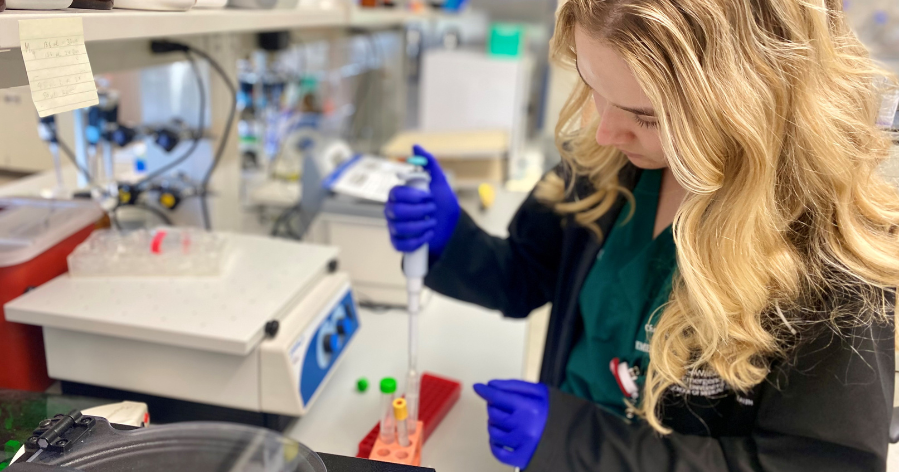
From bedside to breakthrough: Inside the cutting-edge program powering emergency care research at UW Health
The Emergency Department Research Coordinator Program enables bedside research that reflects real emergency care, informed by nearly 250,000 patients and visitors each year...

New grant will examine synergy of oral health and aspiration in pneumonia risk
Led by Dr. Michael Pulia, the NIH-funded study is the first to comprehensively evaluate the link between oral health, dysphagia, and the respiratory tract microbiome in older adults with acute pneumonia...

Designing lunar surface missions for how the brain handles strain
As NASA plans crewed surface missions to the Moon and Mars, researchers say managing cognitive fatigue may be essential for safe, effective deep space exploration...

UW co-leads first national research network to study lucidity in dementia
Andrea Gilmore-Bykovskyi co-leads the LEAD Network, the first NIH-funded effort to advance lucidity science in late-stage Alzheimer's Disease and dementia...
- More news
